The science
5 Science-Backed Benefits of Cold Plunge Therapy (and How to Get Started Safely)
Some links in this article are affiliate links. We may earn a commission at no extra cost to you. As an Amazon Associate we earn from qualifying purchases.
The Quick Answer
Cold plunging can reduce muscle soreness, lift alertness and mood, and may lower stress. Start with 30 to 60 seconds at about 55°F, twice a week. For the full evidence, read our cold plunge benefits guide.
| Benefit | Evidence |
|---|---|
| Less muscle soreness | Fairly good, in small trials |
| Alertness and mood | Good short term |
| Lower stress | Early, one meta-analysis |
| Fewer sick days | One large trial |
| Metabolism | Early |
What Is Cold Plunge Therapy?
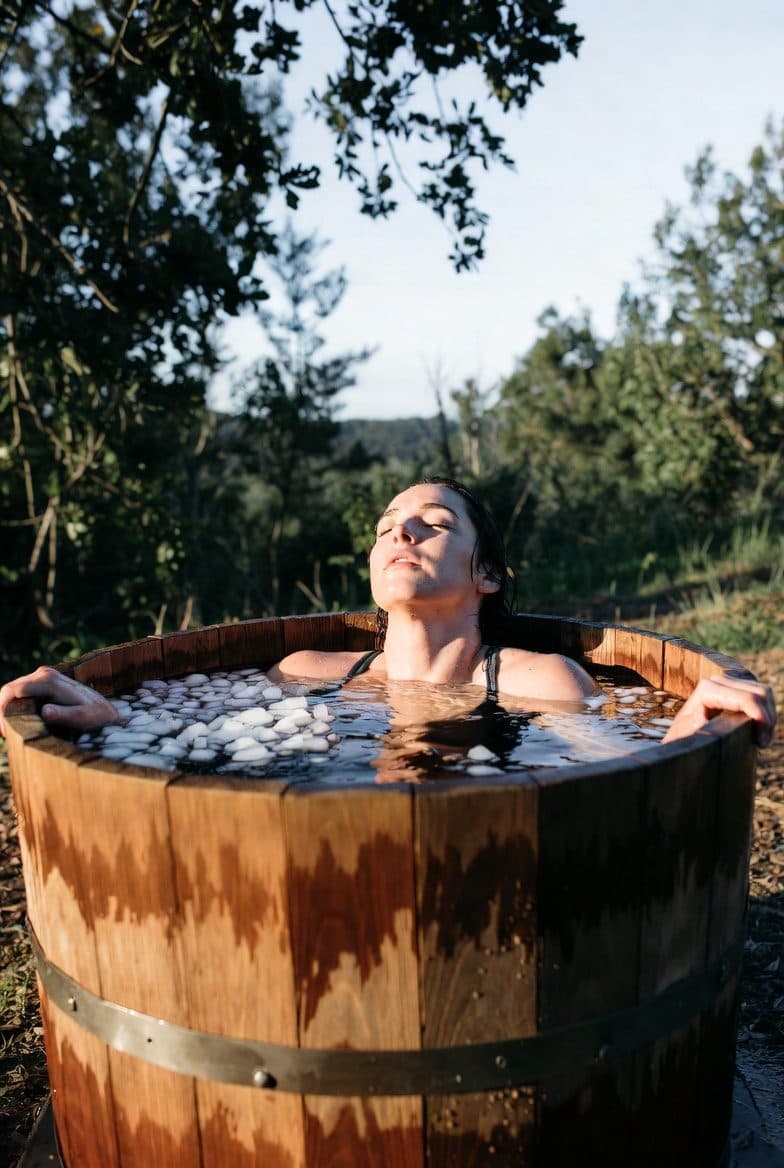
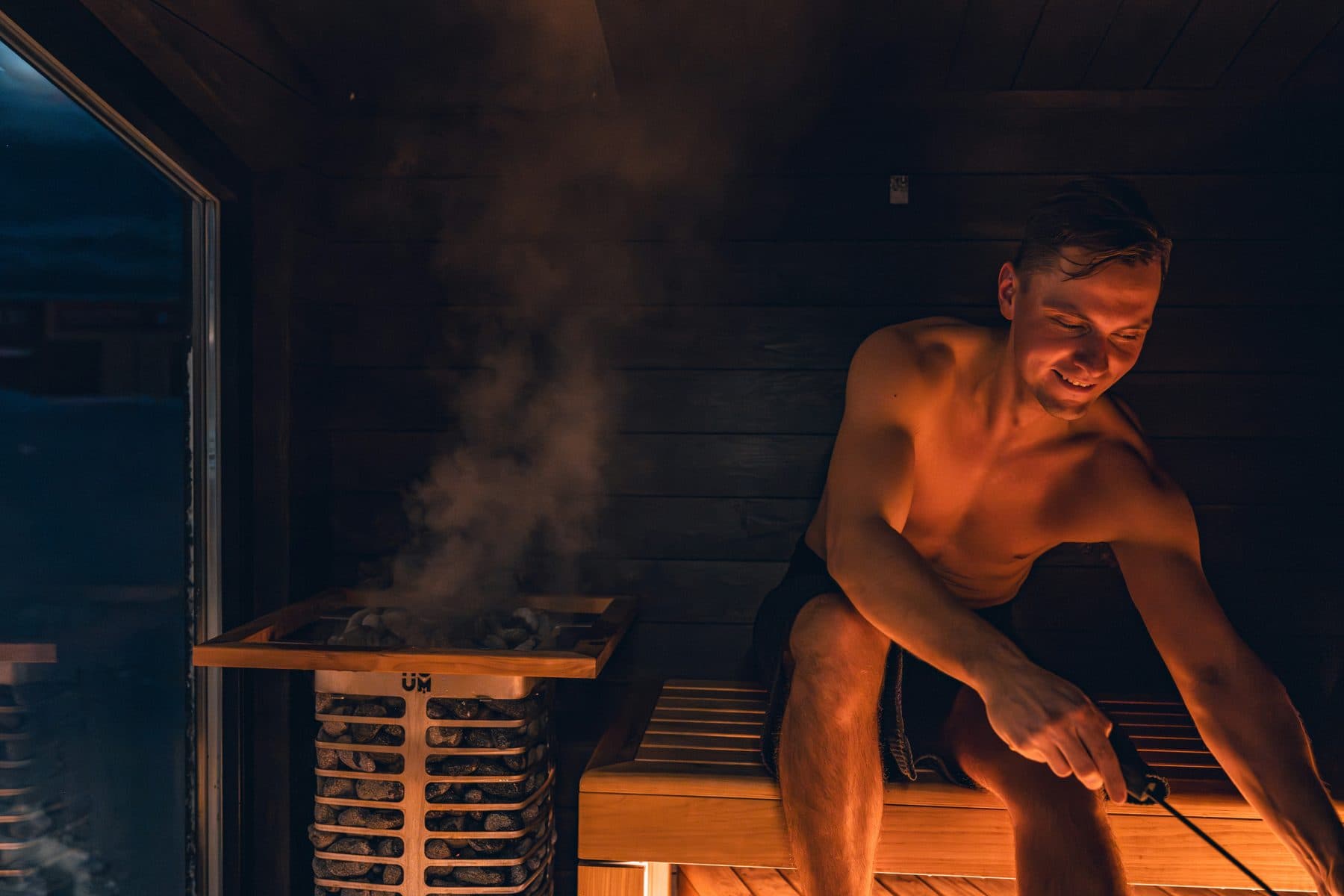
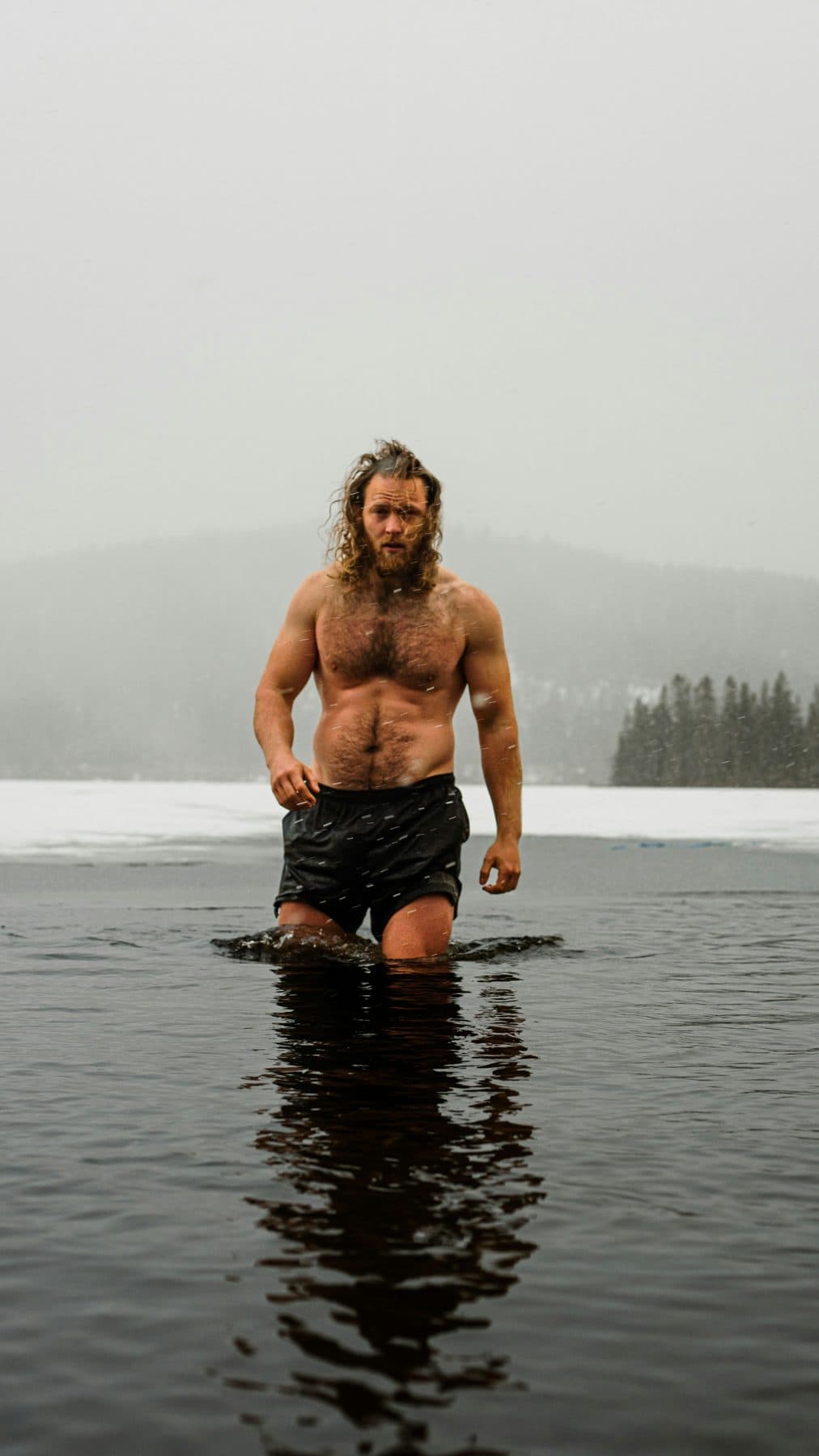
Cold plunge therapy, also known as cold water immersion, involves submerging the body in water typically between 50–59°F (10–15°C) for short durations. Once used primarily by elite athletes, it’s now part of mainstream wellness routines worldwide — often paired with sauna sessions for contrast therapy.
Recent research and anecdotal reports suggest that cold exposure supports recovery, boosts mood, and may even enhance immunity and metabolism. Let’s explore what the science says and how to get started safely.
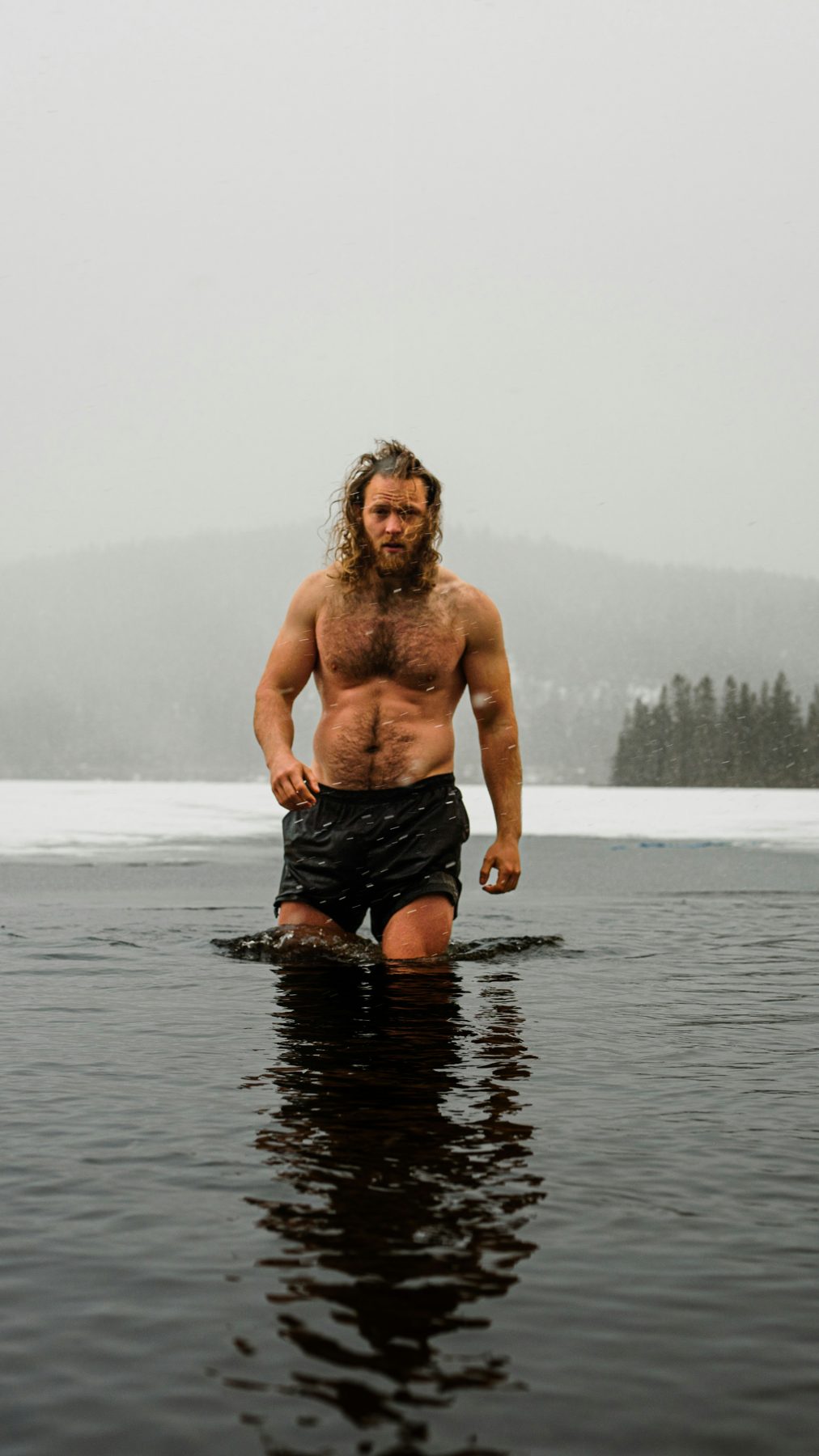
1. Inflammation & Recovery Benefits
Reducing inflammation and muscle soreness is one of the best-known reasons for cold plunging.
Studies suggest that the rapid constriction of blood vessels during cold immersion limits swelling and flushes out metabolic waste — and as the body rewarms, circulation increases again, delivering oxygen and nutrients to muscles.
The Mayo Clinic Health System notes that icy water immersion can help reduce soreness and improve recovery time after intense workouts.
A systematic review in PLOS ONE found cold water immersion positively influences inflammation, stress, and quality of life.
Contrast therapy — alternating heat and cold — may further enhance lymphatic flow and accelerate recovery.
Tip: avoid overly long plunges. 2–4 minutes is plenty for most people.
2. Mental Clarity & Dopamine Boost
The mental benefits of cold plunging are equally compelling.
Immersing yourself in cold water stimulates a surge of dopamine, norepinephrine, and endorphins, which can lead to heightened alertness and mood improvement.
According to PsychiatryOnline, cold water exposure activates neurotransmitter release associated with stress resilience and improved mood.
The Mayo Clinic reports that brief cold immersion can increase energy and focus by triggering endorphins.
Regular cold exposure may help train your body — and mind — to stay calm under stress, sharpening focus and emotional resilience.
3. Immune & Metabolism Effects
Cold exposure activates a range of systems that can benefit your immune response and metabolism.
A 2021 study of winter swimmers found they generated more heat in response to cold, and proposed it as a potential way to increase energy expenditure.
A review in PMC links cold therapy with reduced inflammation, better sleep, and enhanced immune response.
Research from the American Journal of Physiology found markers of immune activation increased during repeated cold immersion sessions.
Important: Overexposure or shock-level plunges can have the opposite effect. Always increase gradually and stop if you feel dizzy or disoriented.
Want to see a real routine? UFC president Dana White explains his here, including a 3-minute plunge at 50°F. That's more than a beginner needs.
4. Safety Tips for Beginners
Cold plunging is powerful, but it’s not without risk. Follow these safety guidelines for the best results:
Start small — Begin with 30–60 seconds at ~55°F, then increase duration gradually.
Never plunge alone — Always have someone nearby if you’re new or doing outdoor plunges.
Avoid alcohol or large meals before plunging.
Warm up first — A quick sauna or light cardio helps blood flow and transition.
Listen to your body — Tingling is normal; numbness or confusion is not.
Consult your doctor if you have heart conditions, high blood pressure, asthma, or Raynaud’s syndrome.
Pair with heat. Alternating hot and cold is called contrast therapy. See whether to do sauna before or after cold plunge.
5. Where to Try It
Ready to take the plunge? Here are a few top-rated studios around Metro Detroit, or search our full directory of 1,100+ studios:
BASK Detroit — Scandinavian-inspired sauna & plunge experience
Motor City Float — Float tanks + infrared saunas
Perspire Sauna Studio – Rochester Hills — Private infrared & red light suites
CYL Infrared Studio – Grosse Pointe — Sleek private pods with recovery add-ons
True REST Float Spa – Farmington Hills — Float pods and infrared saunas
Explore more cold plunge spots near you at ContrastTherapyFinder.com
Final Thoughts
Cold plunge therapy isn’t just a trend — it’s an ancient practice now backed by modern research.Whether you’re an athlete, biohacker, or just curious about wellness, this practice can boost recovery, mood, and resilience.Just remember: start safely, stay consistent, and always listen to your body.
Ready to try cold therapy for yourself?👉 Explore top-rated cold plunge spots near you → ContrastTherapyFinder.com
Frequently Asked Questions
What does a cold plunge do for your body?
It tightens blood vessels, raises heart rate and releases norepinephrine. Most people feel alert and less sore afterward.
How long should you cold plunge?
Beginners should start with 30 to 60 seconds. Most people settle at 2 to 3 minutes.
Is cold plunging good for mental health?
It can lift mood short term, and one 2025 meta-analysis found lower stress 12 hours afterward. It doesn't replace treatment for depression or anxiety.
Who should not cold plunge?
Skip it without medical clearance if you have heart problems, high blood pressure, Raynaud's, or are pregnant.
Sources
Wes Francis
Founder of Contrast Therapy Finder, the directory of sauna, cold plunge and contrast therapy studios across the U.S. About CTF